
What Is an Email Customer Journey and Why Does It Matter?
An email customer journey represents the series of automated, behavior-driven communications a subscriber receives as they interact with your brand. While traditional customer journeys track broad omnichannel touchpoints—like seeing a social media post, walking past a storefront in Delray Beach, FL, or visiting a website—an email customer journey focuses specifically on how inbox communications guide someone along that path.
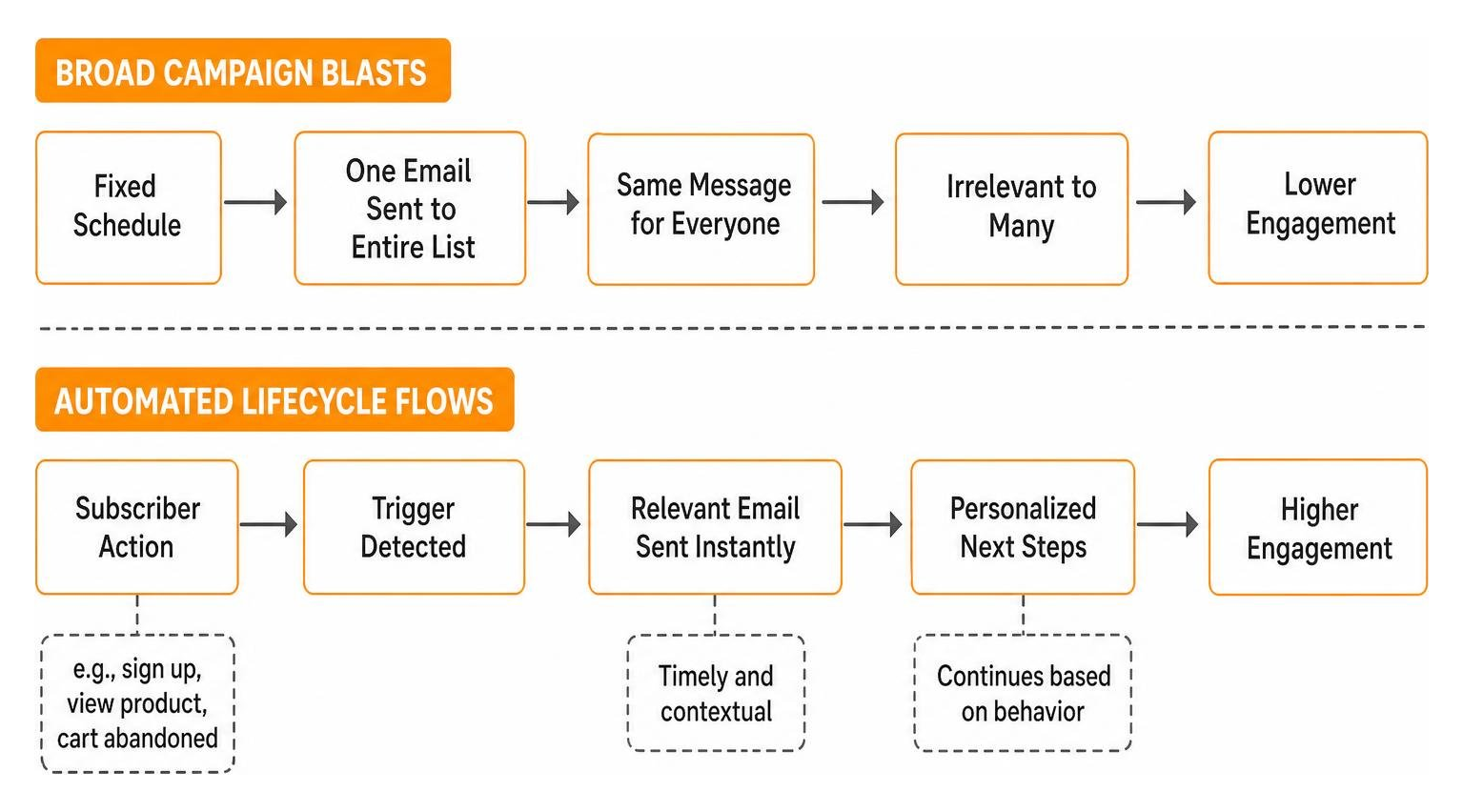
Many small businesses rely solely on manual newsletter blasts sent to their entire subscriber list on a set calendar day. While newsletters have their place for company announcements, relying on them exclusively ignores subscriber intent. Sending a general promotional email to a customer who placed an order two hours ago creates friction and feels out of touch.
Automated flows adapt dynamically to individual actions. When a customer signs up for your list, views a product, or leaves an item in their cart, automated systems trigger relevant content instantly.
| Marketing Approach | Broad Campaign Blasts | Automated Email Journeys |
|---|---|---|
| Send Trigger | Fixed calendar schedule (e.g., every Tuesday) | Subscriber behavior, timing, or milestone |
| Audience Target | Entire contact list or large segment | Individual user based on lifecycle stage |
| Content Type | General promotions, news, broad updates | Tailored recommendations, solutions, onboarding |
| Primary Goal | Short-term broadcast visibility | Long-term conversion, retention, lifetime value |
| Performance Impact | Lower engagement per recipient | Higher click-through and order placement rates |
Defining the Email Customer Journey vs. Traditional Newsletters
The shift from manual newsletters to strategic email customer journeys centers on understanding intent and timing. A traditional newsletter assumes everyone on your list wants the same information at the exact same moment. In contrast, mapping an email customer journey recognizes that subscribers join your list with varying motivations and expectations.
When building a successful strategy, you must evaluate how subscribers enter your ecosystem:
- Intentional Opt-ins: Users who actively seek out your communications, such as signing up for a specialized local newsletter or downloading a guide.
- Consequential Opt-ins: Users whose email details were collected as part of a secondary action, like making a store purchase or filling out a general inquiry form.
Subscribers who opt in intentionally expect immediate value related to what they requested. Consequential subscribers need context and education about your brand before responding to promotional offers. By organizing your strategy around subscriber intent rather than arbitrary publishing schedules, you build deeper trust. Exploring fresh marketing ideas can help you identify creative ways to capture and nurture these entry points.
How Automated Journeys Drive Long-Term Customer Value
Automating your email customer journey yields measurable business returns. Research shows that lifecycle automation flows generate nearly 41% of total email revenue from just 5.3% of total email sends. Furthermore, automated email flows deliver over 3x higher click rates and 13x higher placed-order rates than standard promotional campaigns.
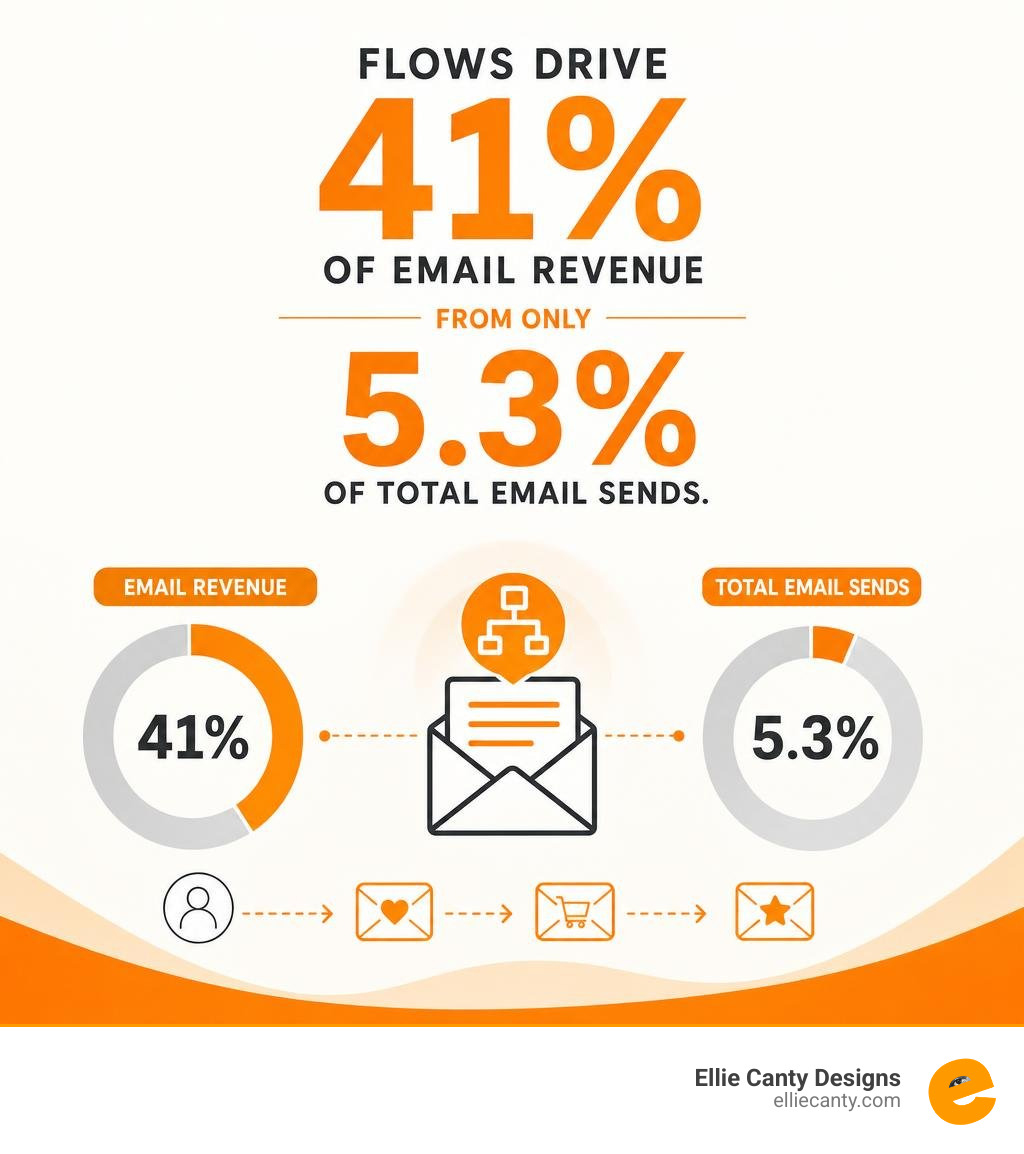
Targeted messaging is particularly effective for driving initial sales: nearly 48% of flow-driven email revenue comes from first-time buyers who receive first-touch automation flows. Focusing on long-term lifecycle automation allows small businesses to improve customer lifetime value (CLV) without scaling manual output.
The Key Stages of an Email Customer Journey
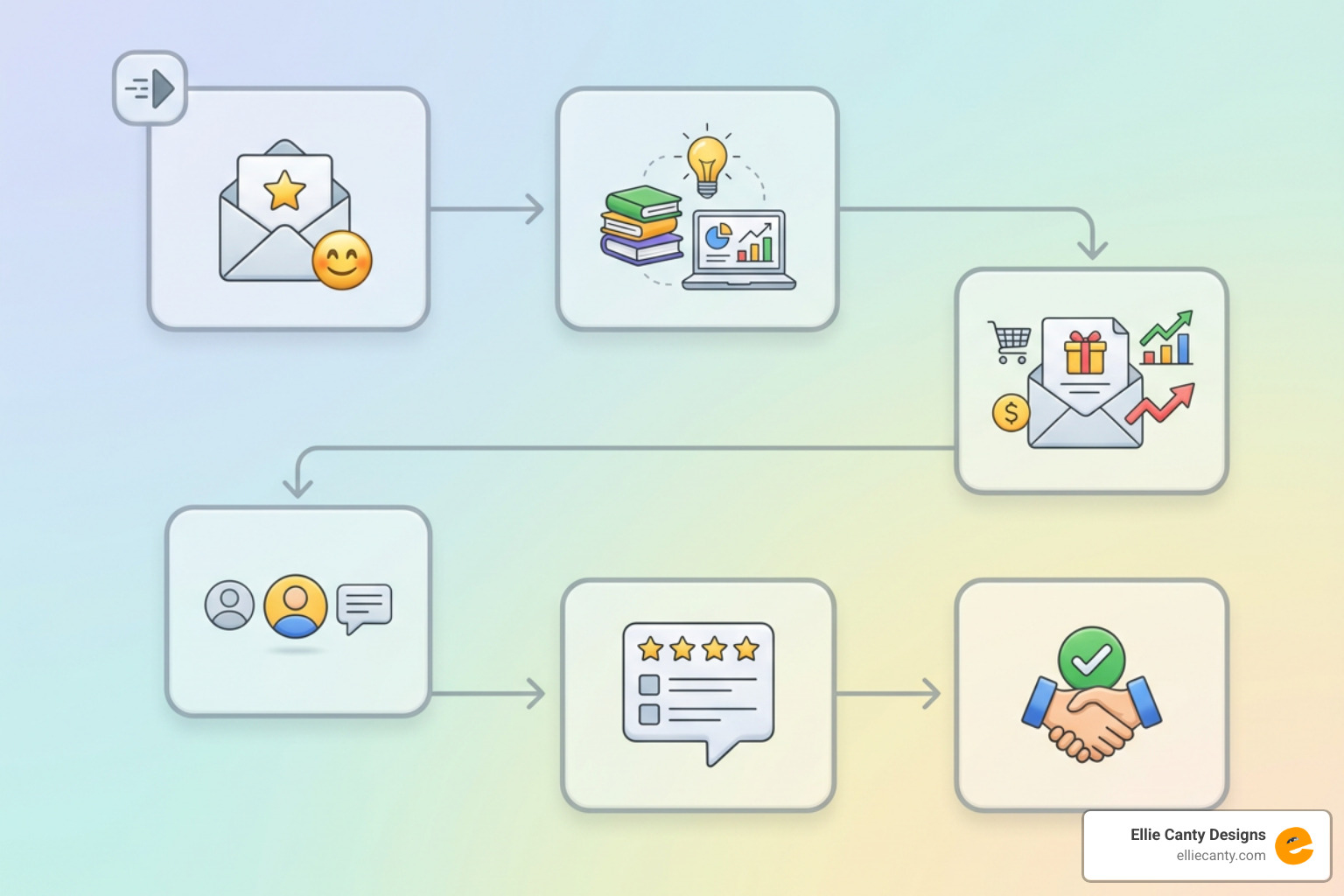
Designing an effective email customer journey requires matching content to the subscriber’s mental state at every step.
Awareness, Lead Acquisition, and Activation Emails
The journey starts when a prospective customer discovers your business. At this stage, your primary goal is converting anonymous site visitors into known email contacts.
Effective acquisition strategies combine clear lead magnets—such as a discount code, local service guide, or exclusive event invitation—with streamlined sign-up forms. Once an opt-in occurs, the activation stage begins through an automated welcome sequence:
- Immediate Delivery (Day 0): Send the promised lead magnet or discount code within minutes. Establish who you are and what subscribers should expect.
- Brand Story & Value Proposition (Day 2): Share what makes your business unique, emphasizing your local connection and community commitment.
- Value & Soft Call to Action (Day 4–5): Provide helpful content, such as blog posts or FAQs, answering the most common questions new leads ask before buying.
Consideration, Purchase, and Post-Purchase Flow Types
During consideration, prospects evaluate whether your product or service fits their needs. Automated behavioral flows play a critical role here:
- Browse Abandonment Flows: Triggered when a recognized contact views product pages without adding items to their cart. Browse abandonment emails average a 0.82% placed order rate—more than 10 times higher than average email campaigns.
- Cart Recovery Flows: The average documented cart abandonment rate sits at 70.22%. Abandoned cart flows produce the highest average revenue per recipient ($3.65) and highest average placed order rate (3.33%) of all automated flows. One out of every two people who click an automated cart recovery email makes a purchase.
When a purchase occurs, transition immediately to post-purchase education. Post-purchase emails average an open rate of 59.77%. Use this high engagement window to send order confirmations, setup instructions, and shipping updates rather than immediate sales pitches. Integrating these touches with your broader social media marketing creates a consistent brand experience across all digital channels.
Retention, Advocacy, and Win-Back Email Customer Journey Strategies
Marketing does not stop at the point of sale. Industry data indicates there is a 60% to 70% chance of closing a sale to an existing customer, compared to just a 5% to 20% chance of selling to a new prospect.
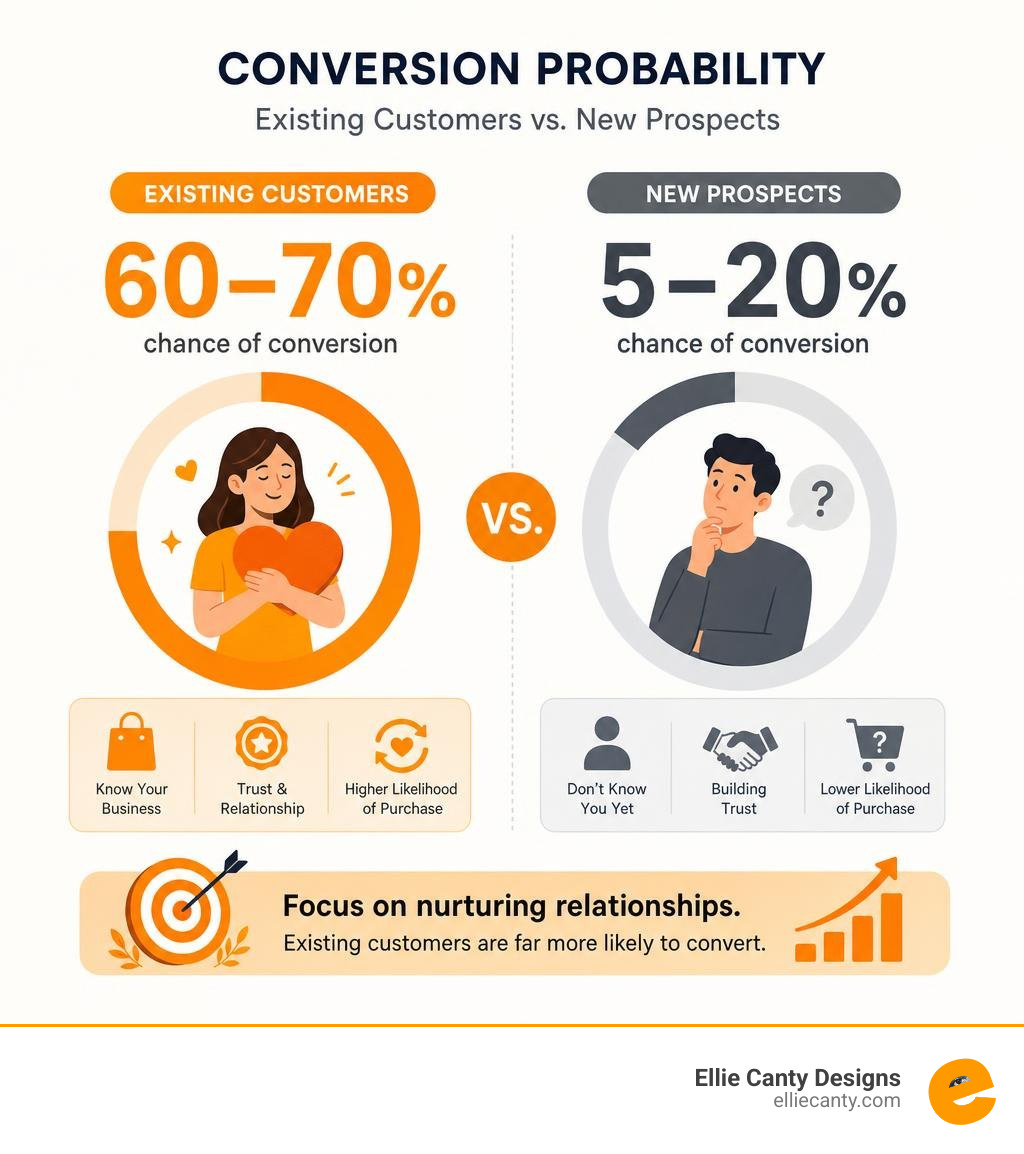
To maximize retention:
- Replenishment & Cross-Sell Flows: Remind customers when it is time to reorder or suggest complementary products based on purchase history.
- Advocacy & Review Requests: Solicit customer reviews or referrals after customers have had time to enjoy their purchase.
- Win-Back Flows: Automatically target subscribers who have not opened emails or purchased in 60 to 90 days with a clear call to update preferences or receive a re-engagement offer.
Triggers, Segmentation, and Personalization Engine
An email customer journey relies on a clear underlying structure to ensure the right messages reach the right people automatically.

Behavioral Triggers vs. Calendar Sends
Traditional email marketing operates on calendar sends—scheduling a message for 9:00 AM on a Thursday. In contrast, behavioral triggers launch sequences based on actions users take, including:
- Submitting a website form
- Clicking a specific link in an email
- Viewing a service page multiple times
- Completing a purchase online or in-store
Pairing behavioral triggers with realistic delay steps ensures communications feel natural. For instance, sending a review request two days after service delivery gives customers enough time to experience your work while their experience is fresh.
Intent Segmentation and Dynamic Personalization
Effective personalization extends beyond inserting a first-name tag into a subject line. True personalization matches message content to a subscriber’s implicit and explicit intent signals.
By segmenting lists based on location—whether serving clients in Boca Raton, FL, Jupiter, FL, or Royal Palm Beach, FL—and intent, you can dynamically customize subject lines, imagery, and product recommendations to boost relevance and drive higher conversions.
Mapping Your Email Customer Journey to Spot Gaps and Optimize
Creating an effective strategy requires visual planning. Mapping your subscriber workflows helps identify messaging gaps, overlapping emails, and logical drop-off points before sending campaigns live. To streamline your layout, leverage visual frameworks like AI-Powered Customer Journey Mapping.

Auditing Entry Points and Intent States
Begin by auditing all potential entry points to your email list. Analyze where prospective customers join and evaluate their mindset upon signing up:
- Entry Point 1: Contact Form: High active intent. The subscriber wants a quick answer or local project quote.
- Entry Point 2: Lead Magnet Download: Moderate passive intent. The user seeks practical information but may not be ready to hire or purchase.
- Entry Point 3: In-Store Checkout: Consequential opt-in. The user completed a transaction and requires post-purchase confirmation before receiving marketing offers.
Documenting entry points allows you to build targeted onboarding paths rather than forcing all subscribers into a generic pool. Detailed execution guidance can be found in this guide on Customer Journey Mapping for Email.
Defining Exit Conditions and Suppression Rules
A common mistake when designing email flows is failing to establish exit conditions. If a prospect receives an abandoned cart email after already completing their purchase, it damages brand trust.
Every workflow requires three foundational rules:
- Behavioral Trigger: The event that enters a contact into the journey (e.g., added item to cart).
- Exit Condition: The rule that removes a user from the sequence immediately (e.g., completed checkout).
- Fallback Path & Suppression: Global rules ensuring subscribers do not receive promotional blasts while active in sensitive flows like welcome or recovery series.
Measuring Success, Deliverability, and Avoiding Roadblocks
A well-designed email customer journey requires continuous monitoring, strong technical deliverability, and clear performance metrics.
Stage-Specific Metrics and Outcome Tracking
Evaluating email performance exclusively by open rates is no longer sufficient, especially with privacy changes like Apple’s Mail Privacy Protection (MPP). Instead, align your performance evaluation with metrics appropriate to each lifecycle stage:
- Acquisition & Welcome: Track list growth rate, welcome email click-through rate, and initial activation completion rate.
- Consideration & Conversion: Track placed order rate, click-to-buy conversion rate, and revenue per recipient (RPR).
- Retention & Advocacy: Track repeat purchase rate, customer lifetime value (CLV), review submission rate, and unsubscribe rates.
Data Latency, Deliverability, and Pre-Launch QA
Technical flaws can disrupt an email customer journey before a subscriber receives their first message. Data latency—delays in data syncing between your store management tool, CRM, and email service platform—can cause misplaced messaging, such as sending browse abandonment alerts hours after a customer makes a purchase.
To protect inbox placement, establish core technical authentication protocols:
- SPF (Sender Policy Framework): Specifies which mail servers are authorized to send email on behalf of your domain.
- DKIM (DomainKeys Identified Mail): Adds a digital signature to emails to verify content integrity.
- DMARC (Domain-based Message Authentication, Reporting, and Conformance): Protects your domain against spoofing and phishing attempts.
Before deploying any new automated journey, run through a structured Quality Assurance checklist:
- [ ] Verify that authentication protocols (SPF, DKIM, DMARC) are fully active and validated.
- [ ] Test all behavioral triggers using sample user accounts across multiple devices and browsers.
- [ ] Confirm that delay steps and wait conditions function as designed.
- [ ] Test exit conditions by completing target actions (e.g., purchasing while in a cart recovery flow) to ensure instant removal.
- [ ] Check cross-flow suppression rules to prevent subscribers from receiving overlapping promotional blasts.
- [ ] Audit custom dynamic personalization tags to confirm fallbacks populate correctly if user data is missing.
- [ ] Review list hygiene routines to automatically prune disengaged contacts after 90–120 days of inactivity.
Frequently Asked Questions About Email Customer Journeys
What is the difference between an email customer journey and a general customer journey?
A general customer journey includes every brand touchpoint—such as seeing a local billboard, visiting a storefront in Belle Glade, FL, reading online reviews, or engaging with social media posts. An email customer journey focuses specifically on the automated email sequences, triggers, wait steps, and targeted messages designed to nurture subscribers between those broader channels.
How many emails should be in an automated welcome sequence?
Most small businesses find success with a welcome series of 3 to 5 emails delivered over 7 to 10 days. This provides sufficient room to deliver promised lead magnets, introduce your local brand story, highlight key products or services, and address initial customer objections without overwhelming new subscribers.
How do you handle inactive subscribers in an email journey?
When contacts stop opening or clicking emails for 60 to 90 days, trigger an automated win-back sequence offering a clear incentive or asking them to update their content preferences. If a subscriber remains inactive after the sequence finishes, remove or suppress them from active marketing lists. Cleaning disengaged contacts protects sender reputation, maintains deliverability, and ensures accurate performance reporting.
Build an Email Journey That Converts
Creating an effective email customer journey transforms inbox communications from occasional manual blasts into a consistent engine for revenue, customer engagement, and long-term retention. By aligning emails with subscriber intent, setting clear behavioral triggers, maintaining strict QA standards, and tailoring content for audiences across South Florida—including Clewiston, FL, Fort Lauderdale, FL, Miami, FL, and West Palm Beach, FL—small businesses can turn first-time visitors into loyal fans.
At Ellie Canty Designs, we specialize in helping local businesses streamline their digital footprint, build automated campaigns, and implement practical strategies that deliver measurable results. Explore our full range of digital marketing and email services to start building automated journeys that grow your business today.